
A Social Reform Movement Led by R. Parthiban: From Humanitarian Service to a ‘No Caste, No Religion’ Initiative Origins of R Parthiban Manidaneeya Mandram
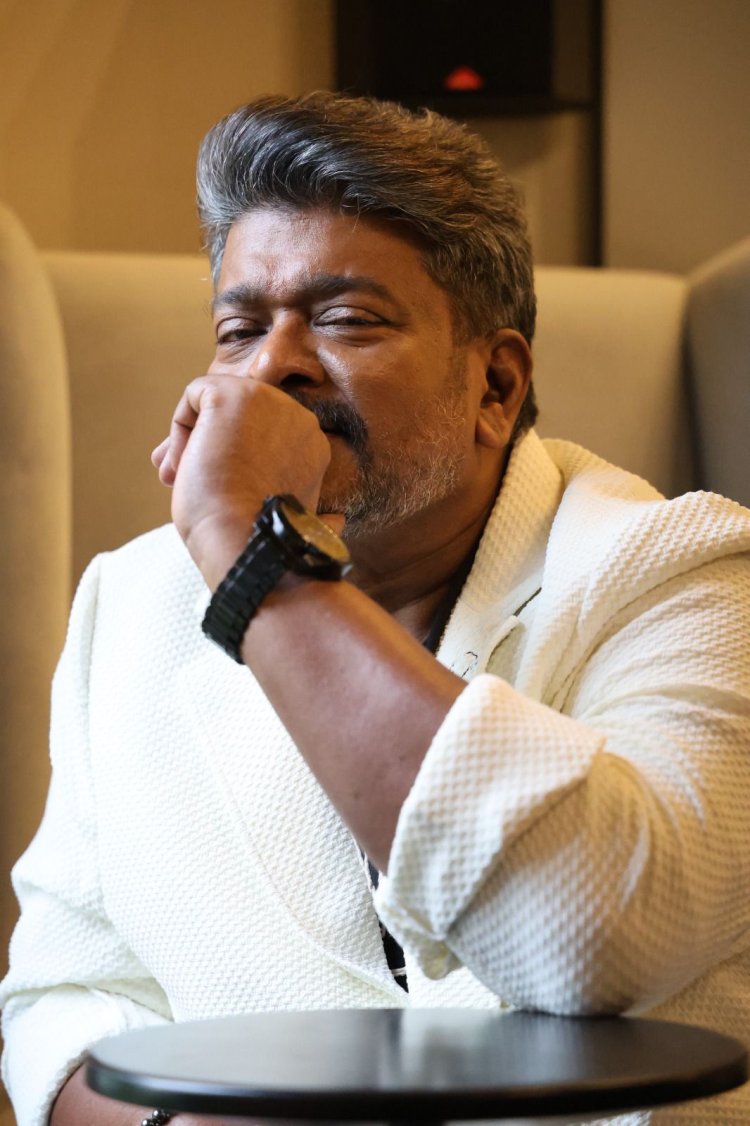
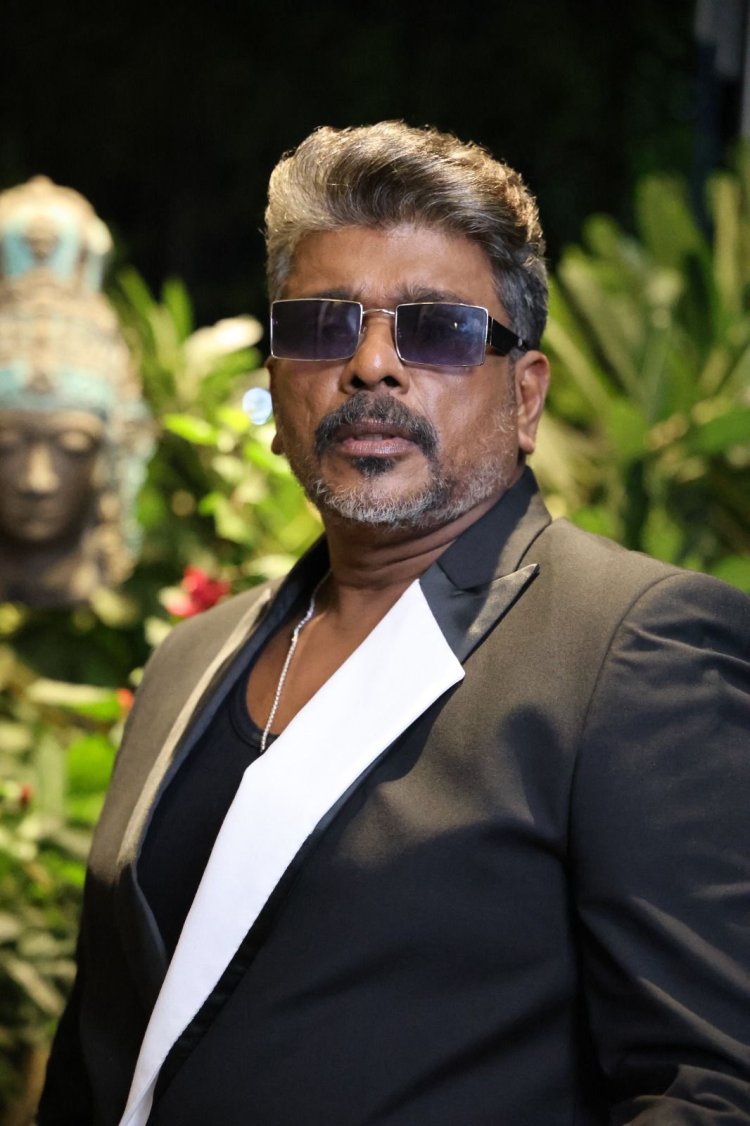
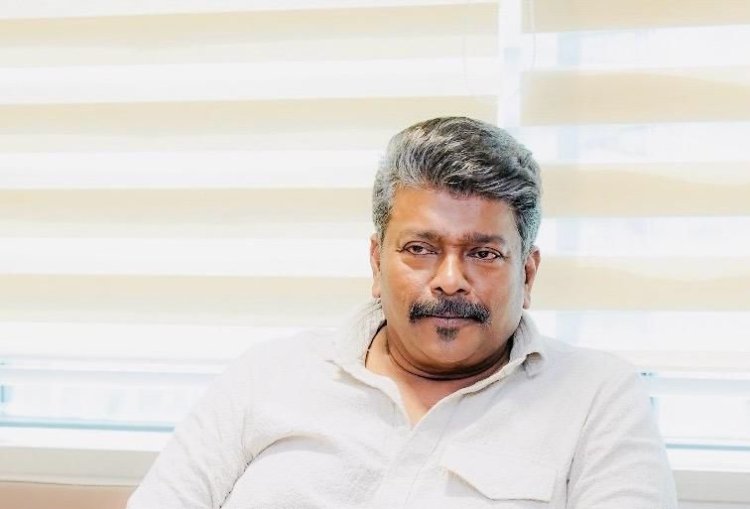
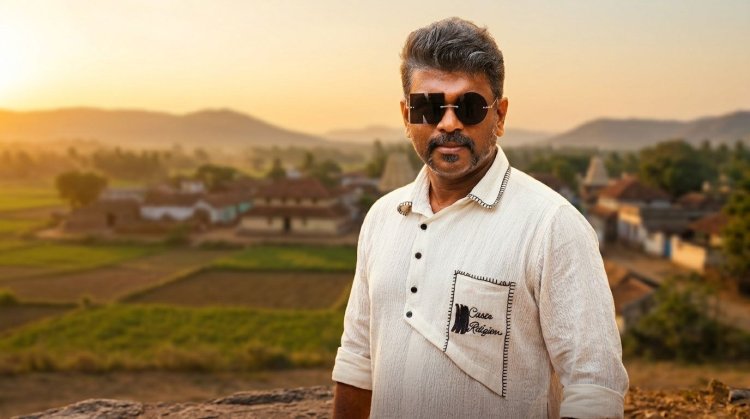
A Social Reform Movement Led by R. Parthiban: From Humanitarian Service to a ‘No Caste, No Religion’ Initiative Origins of R Parthiban Manidaneeya Mandram The R. Parthiban Manidaneeya Mandram, a humanitarian trust founded by actor and filmmaker Radhakrishnan Parthiban in 1990, stands as one of the earliest instances in Indian cinema where a fan club was transformed into a social service organisation. This initiative marked a shift from celebrity admiration to meaningful community engagement. The organisation was established with a deeply humanistic vision, reflected in its motto: “Innoru manidan irukum vare yaarum inge anathai illai” (“As long as another human exists, no one here is an orphan.”) The core purpose of the Mandram was to foster compassion, social responsibility, and collective welfare beyond divisions of identity, status, or background. Humanitarian Contributions and Social Impact Under the leadership of Radhakrishnan Parthiban, the Mandram has consistently engaged in impactful social initiatives. • Notably, he became the first celebrity in Tamil cinema to pledge body donation, setting a precedent that later became widely accepted across society. What began as a rare and unconventional act has now been normalized in hospitals and medical institutions. • In addition, the organisation has carried out numerous welfare activities, including: 1. Blood donation camps 2. Body donation awareness drives 3. Medical and health camps 4. Disaster relief initiatives These efforts have not only provided immediate assistance to those in need but have also encouraged public participation in humanitarian causes. A New Social Vision: The ‘No Caste, No Religion’ Initiative In 2026, Radhakrishnan Parthiban initiated a bold and thought-provoking movement advocating for a “No Caste, No Religion” identity, aiming to challenge long-standing social divisions. During a press interaction following legal proceedings, he described this initiative not as a personal case, but as the beginning of a broader societal transformation. He drew a metaphor comparing the birth of a child—where separation from the mother allows independent growth—to the need for individuals to be free from inherited identities such as caste and religion. He emphasized that: • Individuals should have the freedom to define their own identity • Society should move towards equality without imposed divisions • Future generations should not be bound by inherited social structures Legal Struggle and Court Intervention To formalise this ideology, Radhakrishnan Parthiban applied for an official “No Caste, No Religion” certificate through the Taluk office in Sholinganallur. However, administrative delays and procedural challenges led him to seek judicial intervention. The matter was brought before the court, where the judiciary acknowledged both the uniqueness and social relevance of the request. The court directed the concerned authorities to issue the certificate before 29 April 2026, recognizing the initiative as one that promotes a discrimination-free society. The judge also noted Parthiban’s consistent commitment to social causes and his determination to see initiatives through to completion. A Movement Beyond Personal Identity In his address to the media, Parthiban clarified that obtaining this certificate does not provide personal benefit. Instead, it represents a conscious rejection of advantages tied to caste or religion. He stated that his goal is to: • Simplify the process for others who wish to adopt this identity • Encourage thousands to follow this path • Create a society where equality replaces categorisation He also highlighted how many transformative social changes initially faced resistance but later became widely accepted—drawing parallels with his early advocacy for body donation. Vision for the Future Parthiban envisions a society where: Elections are not influenced by caste-based calculations. Citizens are recognised beyond religious or social labels. Future generations inherit a system free from discrimination He believes this initiative could serve as the foundation for a larger social revolution, encouraging individuals to move beyond identity-based divisions and towards collective human values. From transforming a fan club into a humanitarian trust in 1990 to pioneering body donation awareness and now advocating for a “No Caste, No Religion” identity, Radhakrishnan Parthiban has consistently challenged societal norms. His latest initiative is not merely symbolic but aims to institutionalize a new way of thinking—one that prioritizes humanity over identity. Whether this movement gains widespread acceptance remains to be seen, but it undeniably raises critical questions about the future of social equality in India. Official Statement Following Court Proceedings During the press interaction, R. Parthiban expressed deep satisfaction and gratitude towards the
 .
.
0
70
1 / 1
A Social Reform Movement Led by R. Parthiban: From Humanitarian Service to a ‘No Caste, No Religion’ Initiative Origins of R Parthiban Manidaneeya Mandram